With the holidays right around the corner (gasp!), you might be wondering whether to send e-cards or paper cards this season.
The eCard versus paper card debate has a lot more fire to it than you may think.
Speaking of fire, score one point for real cards—they can be set ablaze and provide life-saving heat in an emergency! But when we get down to it, we're talking about traditions, nostalgia, the environment, time, marketing opportunities, and the delivery of a message that shows "you care." This truly is important stuff.
The quick answer to this question is that firms should use both eCards and traditional paper cards. Here's why.
eCards Analyzed
There are a ton of benefits to eCards. They are more environmentally friendly. They usually cost less. They can be easily shared and forwarded through e-mail and social media. There is more space to write and use media including animations, photos, and videos. The recipient can reply right within their e-mail program. No need to track down ever-changing physical mailing addresses (especially for younger clients). And, when using an eCard platform or mailing list software, you get very insightful statistics on delivery, open, and click rates.
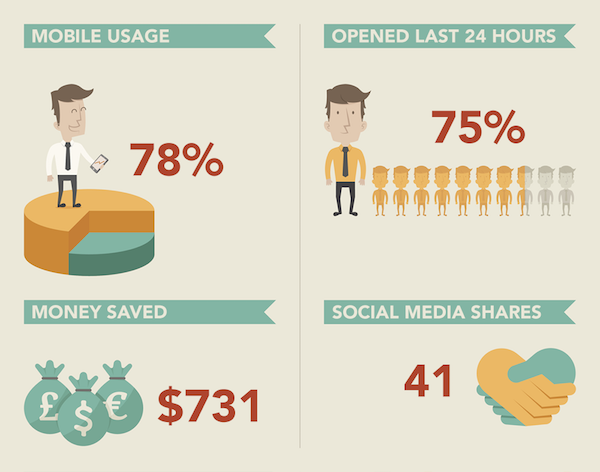
On the flip side, there are perception problems with eCards that need to be addressed. They can be viewed as lazy, cheap, and impersonal. To counteract such perceptions, you need to go beyond using a stock eCard template and have the design customized to your brand. You should make it more personal by including photos that are more casual/family oriented, a video message, or a letter recapping the year. Photos and video should obviously be respectable, but they don't need to be professionally produced—in fact, shooting them yourself if you can will look more personal and authentic. The whole idea of sending a card is to personally connect, so don't go overboard on fancy animations and effects, just put yourself out there. The key to an eCard that doesn't get scoffed at is to use the technology to deliver your message in a way not possible through paper cards.
Traditional Paper Cards Analyzed
No doubt about it, when you're able to physically deliver a paper card, recipients will know that time, personal attention, and money was put into it. A corporate card may not elevate to the mantel of the house, but there is an experience that comes with opening, holding, and reading a card that e-mail can't replicate. Beyond the nostalgia and experience, a paper card has additional benefits. You can include a letter, business cards, and photos. You can also put pen to paper and include a handwritten note and signatures from you and your team. Bottom line, everyone loves getting something nice in the mail.
Paper cards also present some challenges. They do have a higher cost per recipient, and they do take a chunk of time to do. There are also environmental concerns with using all of that paper and delivery infrastructure. While there isn't much to do about the material cost, there are some very interesting ways to express additional care for the world and its inhabitants by using cards that are made from 100% recycled material. You can also purchase cards from a charity provider so that some proceeds support a cause of your choosing. The fantastic Cards That Give website will connect you with over 300 charity organizations that sell paper cards.
To address the time commitment, throw a card party! Get your team together in a casual environment where they can share their plans and relieve some of the stress from the holiday season. Pairing this with handwriting cards means that the job gets done in a fraction of the time. Before everyone gets together, print out instructions for the message to be written and the format you would like to use on each card. With a list of clients' names and a pile of pens, cards, and envelopes, you can finish the stack in no time.
A Hybrid Strategy
There are clear benefits to both eCards and traditional paper cards. Because of this I advocate for a strategy that uses both. First, identify the select people (referral sources, clients, business contacts, and key vendors) that should receive a paper card and get those out in the mail first. Second, after your paper cards have been delivered, launch your eCard to EVERYONE (website, social media channels, acquaintances, friends, family), including the paper card recipients.
Here are some helpful, fun, and money-saving links:
**Originally posted on The Modern Firm’s blog